Fruits and Vegetables Rich in Vitamins to Prioritize in Winter
Winter is often synonymous with fatigue, low energy, and minor seasonal ailments. Yet it’s also the perfect time to stock up on vitamins thanks to a wide variety of fruits and vegetables, both local and exotic. At
Canadawide Fruits, we believe that a rich and diverse diet is essential—even, and especially, during the colder months.

Why Are Vitamins Essential in Winter?
Cold weather, reduced sunlight, and changes in routine put extra strain on our bodies. Vitamins play a key role in:
- Supporting the immune system
- Maintaining good energy levels
- Preserving healthy skin and bones
Fresh fruits and vegetables remain one of the best natural sources of vitamins, as long as you vary your choices.
Vitamin-Rich Winter Fruits
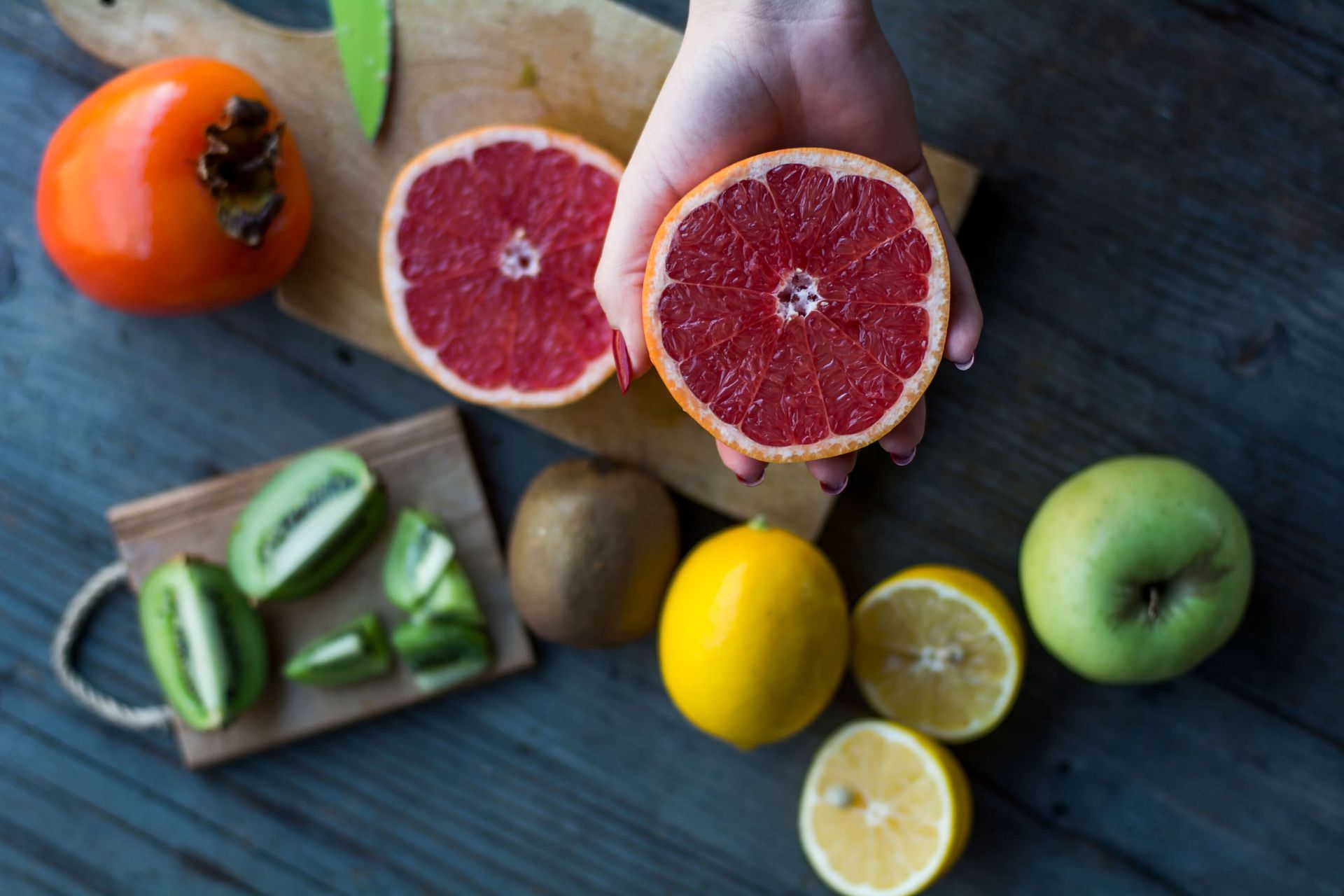
Citrus Fruits: A Must-Have
Oranges, clementines, mandarins, grapefruits, and lemons are rich in vitamin C, known for strengthening the immune system. Easy to enjoy, they are perfect both at breakfast and in cooking.
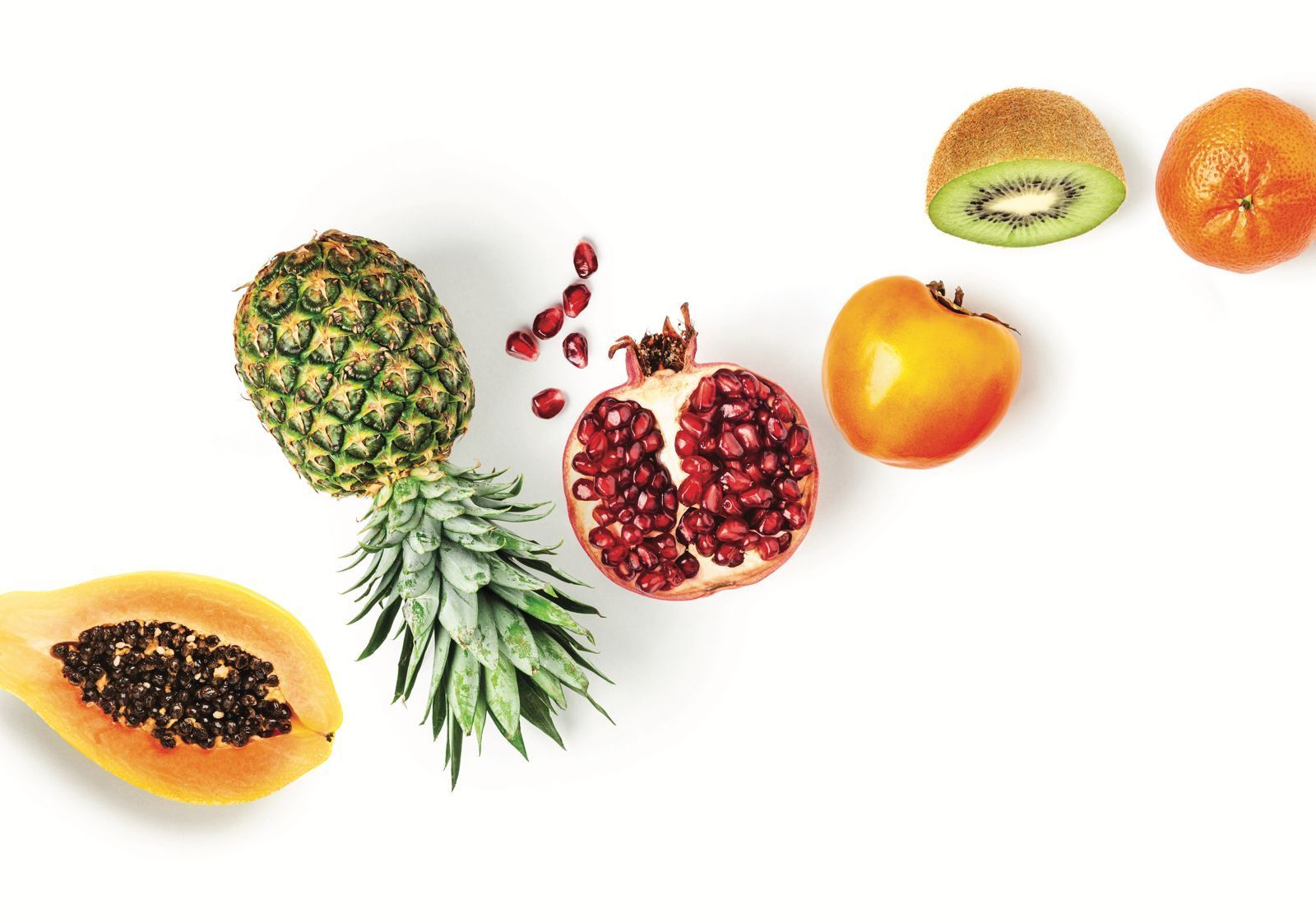
Kiwi
Often underestimated, kiwi contains
more vitamin C than an orange and is also high in fiber. An excellent ally during the winter months..
Apples and Pears
Available year-round, they provide fiber and antioxidants, making them ideal for a balanced daily diet.
Persimmon
A fruit typical of late fall and winter, persimmon is rich in vitamin A (beta-carotene) and is also a good source of vitamin C. Naturally sweet and high in fiber, it supports the immune system while adding color and sweetness to winter menus..
Exotic Fruits: A Year-Round Source of Vitamins
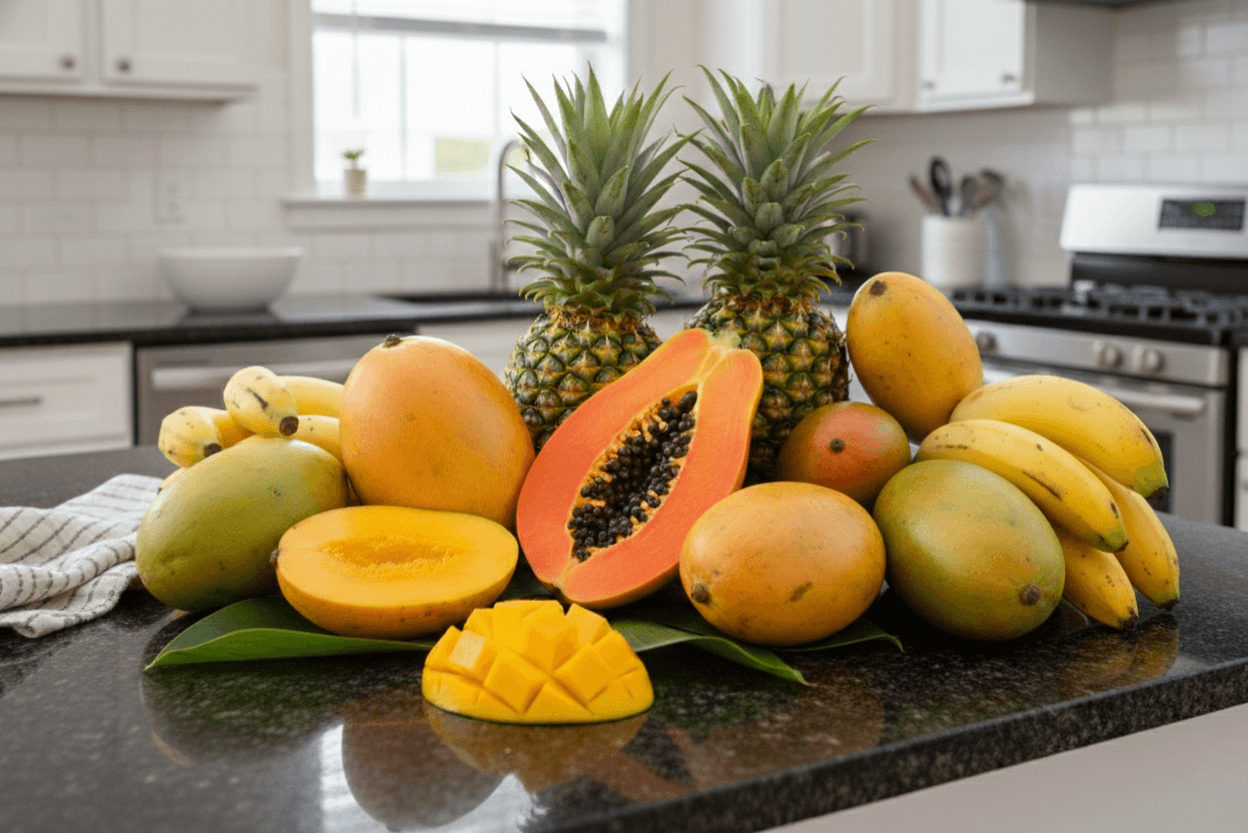
One of the great advantages of winter is the availability of many exotic fruits, true nutrient powerhouses.
Mango
Rich in vitamins A and C, mango supports skin health and the immune system while adding a welcome tropical touch during winter.
Pineapple
A source of vitamin C and digestive enzymes, pineapple is appreciated as much for its benefits as for its refreshing taste.
Papaya
Excellent for digestion, papaya contains vitamins A, C, and E—ideal for supporting the body during the colder season.
Banana
Rich in vitamin B6 and potassium, it helps maintain energy levels and proper muscle function.
Thanks to a rigorous sourcing process, Canadawide Fruits offers a wide variety of fresh exotic fruits all year round—making it easy to diversify your diet even in winter.
A Few Tips to Preserve Vitamins
- Opt for gentle cooking methods (steaming, quick sautéing)
- Avoid overcooking vegetables
- Store fruits and vegetables properly according to their specific needs
- Consume fresh products promptly after receiving them
Nutrient-Dense Winter Vegetables
Carrots
Rich in beta-carotene (vitamin A), they contribute to healthy vision and skin.
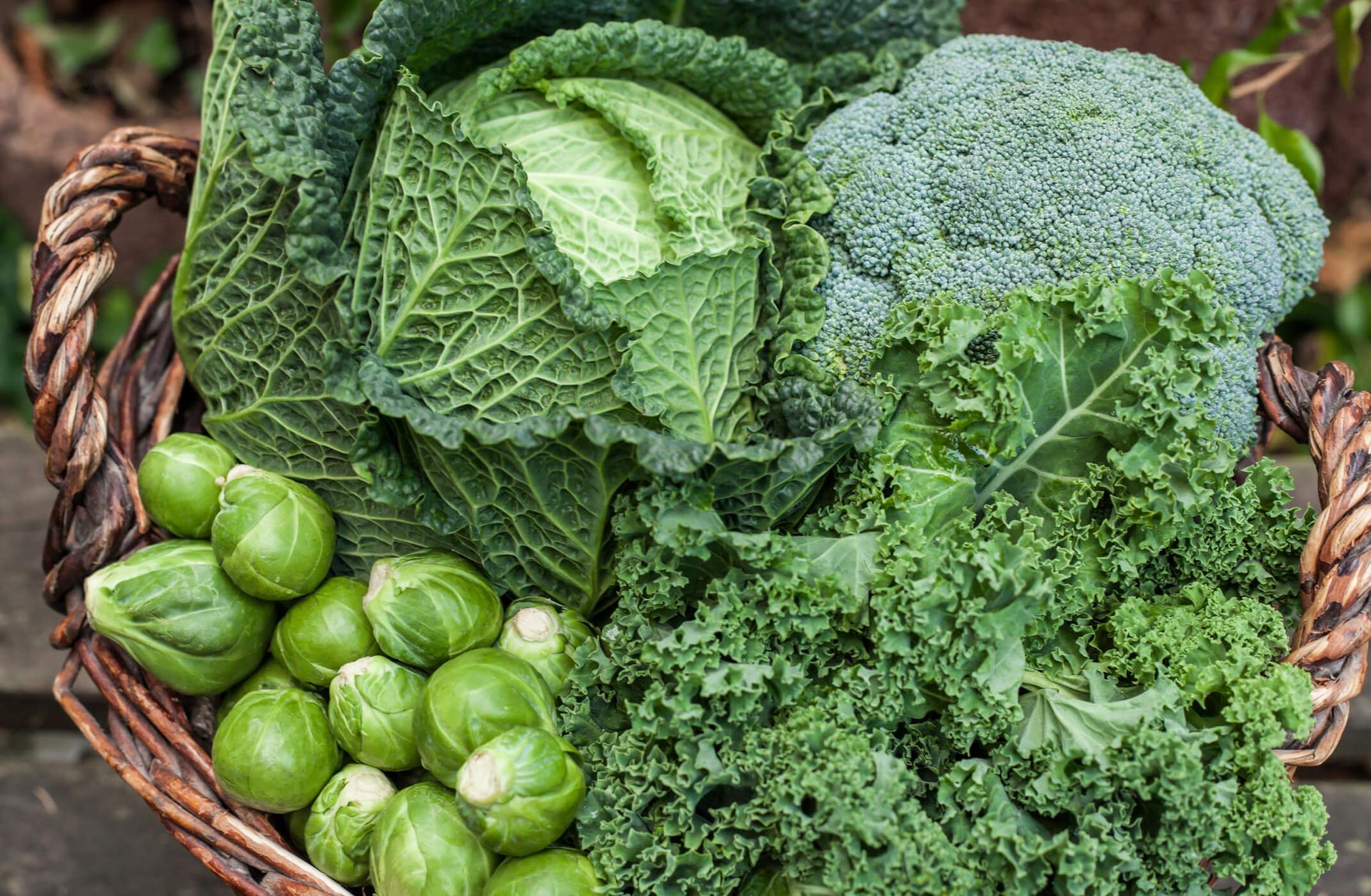
Broccoli
A true superfood, broccoli is an excellent source of vitamins C and K, as well as antioxidants.
Cabbage and Leafy Greens
Green cabbage, kale, and Brussels sprouts are particularly nutritious and well suited to winter meals.
In conclusion, eating healthy in winter is not limited to traditional produce. By combining seasonal fruits and vegetables with exotic fruits, it is possible to maintain a diet that is rich, varied, and full of vitamins.
At Canadawide Fruits, we are proud to offer our customers a diverse selection of fresh, local, and exotic products all year round.